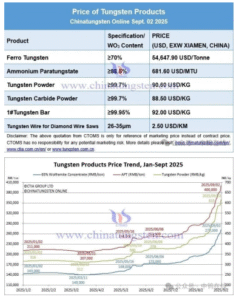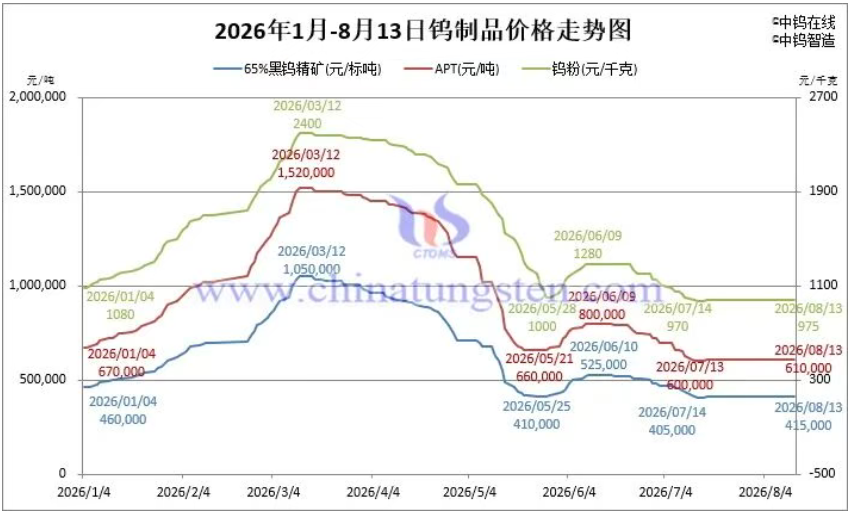
August 2026 | Industry Insights & Market OutlookOver the past few months, the global tungsten carbide market has experienced a period of consolidation following notable fluctuations in raw material supply. For procurement managers and industrial manufacturers across Europe and Asia, the current price stability offers a crucial, albeit temporary, window of opportunity.As we approach September, multiple upstream indicators and seasonal market drivers suggest that tungsten carbide prices are preparing for an upward shift. Here is an analysis of current market dynamics and what to expect as we enter the fourth quarter.1. Raw Material Supply & Cost DriversThe foundation of tungsten carbide pricing lies in primary raw materials such as Ammonium Paratungstate (APT) and tungsten powder. While upstream mining outputs stabilized during mid-summer, environmental compliance checks and tightening quota management in major production hubs continue to constrain overall supply. With raw material inventories remaining lean, any uptick in demand will directly translate into cost pressure. 2. Post-Summer Industrial Demand in Europe and AsiaSeptember marks a pivotal transition in global manufacturing:European Market Rebound: Following the traditional summer slowdown in August, European industrial hubs—particularly in automotive, precision tooling, and heavy machinery—are set to resume full capacity and rebuild safety stock.Asian Manufacturing Surge: In major Asian industrial sectors, September signals the ramp-up for Q4 production cycles to fulfill year-end global export orders.This synchronized demand recovery across Eurasia is expected to quickly absorb available spot inventory, pushing manufacturers to adjust their price quotes upward.3. Supply Chain Logistics and Energy FactorsBeyond raw materials, late Q3 traditionally sees elevated shipping activity and adjustments in global industrial energy costs. As transport demand rises ahead of the peak holiday shipping season, freight rates and operational expenses add incremental pressure to carbide production costs.How to Prepare: Strategic Procurement RecommendationWhile market stability currently offers predictability, waiting until late September could mean encountering higher unit costs and longer delivery lead times.To protect your margin and guarantee seamless supply for your Q4 production schedule, we strongly advise:Reviewing your inventory levels for critical wear parts, carbide rods, and cutting tools. Locking in pricing quotes ahead of September’s anticipated price adjustments.
What is the method of making cemented carbide products?
Your carbide tools fail u