Are you having trouble with premature wear on your turning tools? This can lead to more downtime and increased costs. Choosing the right turning inserts is critical to maximize performance and minimize interruptions.
Here are some things to think about when you pick a turning insert:
· Choose the insert geometry that makes sense for what you’re doing, like finishing.
· Use the biggest nose angle you can get away with for insert strength and cost efficiency.
· Pick the insert size based on how deep you’re cutting.
· Use a bigger nose radius to make the insert last longer, unless you have a vibration problem. Then, use a smaller radius.
· Use a carbide insert identification chart pdf to find the right grade and coating for the material you’re cutting.
Remember, as you gain experience and knowledge, you’ll develop preferences for different inserts based on the work you do.
To improve machining efficiency and tool life, choosing the correct turning insert is essential. This guide will help you make better decisions and improve your operations.
Keep reading to discover the secrets for picking the best turning inserts for your applications.
What’s the Most Popular Turning Insert?
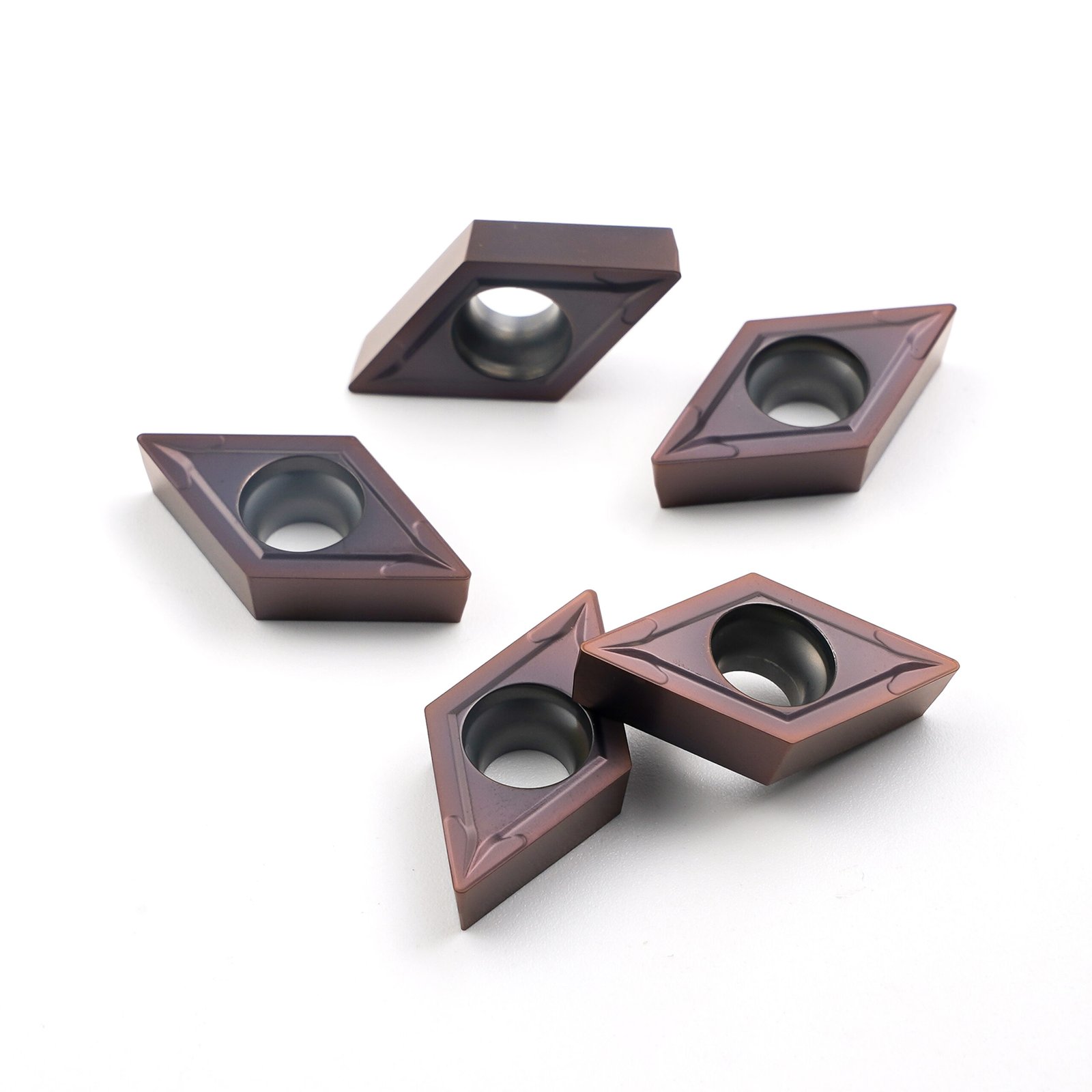
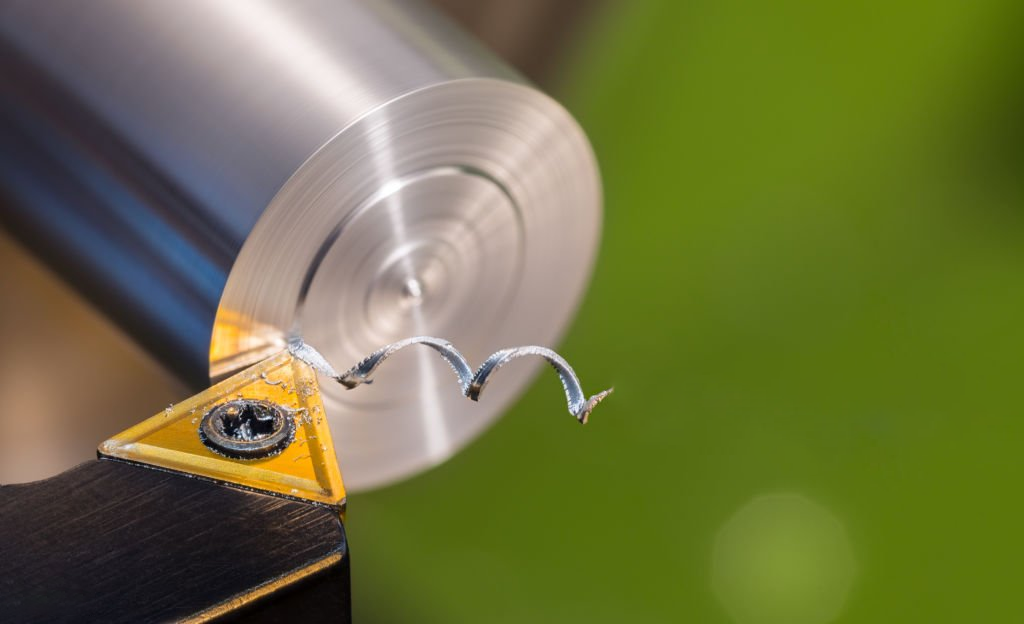
The popularity of turning inserts can depend on the material you’re machining and the specific machining operation. However, one of the most well-known and widely used is the CNMG and TNMG insert. The CNMG/TNMG insert is recognized for its versatility and balance between toughness and wear resistance. This makes it suitable for a wide variety of materials from steel to cast iron. CNMG inserts are available in different carbide grades and coatings to address different workpiece materials and machining environments.
How to Pick Carbide Inserts?
Choosing the right carbide inserts means you need to know the material you’re machining, the kind of machining you’re doing, and the kind of finish you want. Start by figuring out the hardness and abrasiveness of the material you’re working with. Match the material to the appropriate carbide grade and coating using a carbide insert identification chart pdf. Look at things like cutting speed, feed rate, and depth of cut to choose the best geometry and grade inserts for your application.
What Carbide Insert Do I Need?
What carbide insert you need depends on the material you’re working with, the kind of machining you’re doing, and the machine conditions. For general turning in steel, you want a tough grade like ISO P20. For finishing operations in non-ferrous materials, you might want a finer grade like ISO K10. Always refer to a turning insert guide or a carbide inserts chart to make sure the selection matches the specific requirements of your machining tasks.
What’s the Difference Between Positive and Negative Turning Inserts?
Positive turning inserts have a cutting angle less than 90 degrees. They usually have lower cutting forces and are great for light cutting, fine finishing, or machining softer materials. Negative inserts have angles greater than 90 degrees. They provide more robust cutting edges and higher feed capabilities, which work well for heavy roughing operations. Your decision to use positive or negative inserts must be based on what you are doing, the hardness of the material you’re working with, and how stable your machine setup is.
In summary, choosing the right turning inserts means you need to know how your workpiece material interacts with what you want to do with it and how the insert performs. Selecting the right turning inserts can increase your productivity and reduce your costs.